Home › Commercial Asphalt Resurfacing & Overlays
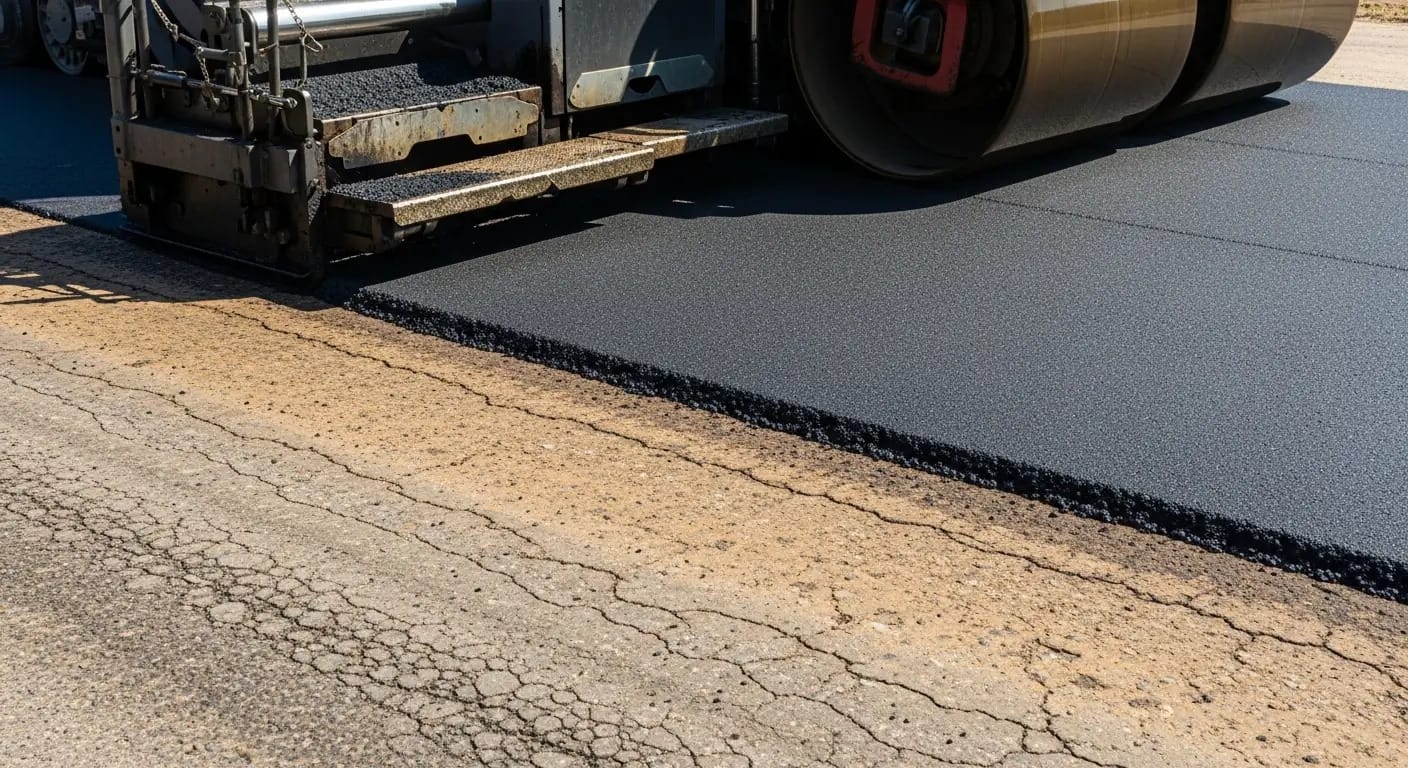
Extend the life of your lot with commercial asphalt resurfacing in Chandler, AZ. We install overlays on worn but structurally sound parking lots, drives, and private roads. Our process includes milling, repairs, and a new asphalt layer for a smooth, uniform look. Schedule an on site evaluation to determine if resurfacing is the right choice for your property.
Precision Asphalt Chandler provides professional commercial asphalt resurfacing throughout Chandler, AZ, Arizona and the surrounding area. Our licensed, insured crew delivers safe, clean, on-time work with a free estimate before anything begins. Call (480) 462-5798 or request your free quote.
Commercial Asphalt Resurfacing That Fits Chandler Properties
Commercial asphalt resurfacing is often the most cost‑effective way to restore a parking lot or private roadway in Chandler without tearing everything out. At Precision Asphalt Chandler, we look at resurfacing and overlays as structural repairs, not just a cosmetic top layer. The goal is to fix underlying issues, extend the life of the pavement, and make the surface safer and easier to maintain.
Resurfacing is usually the right choice when the surface is cracked, oxidized, or rough, but the base layer is still solid. If the pavement is crumbling in isolated spots, holding water in certain areas, or has old striping you want reconfigured for traffic flow, a commercial asphalt overlay can address all of that in one project. Chandler’s heat, strong UV, and monsoon downpours are hard on asphalt, so we design resurfacing jobs specifically to handle those conditions.
We work with property managers, HOAs, retail centers, medical offices, and industrial sites across Chandler and south‑east Valley. Each property has different needs. For example, a medical plaza might prioritize smooth wheelchair access and clear fire lanes, while an industrial yard might need heavier‑duty asphalt mix at truck docks. Precision Asphalt Chandler builds those requirements into the resurfacing plan from the start so your overlay is not just new, but appropriate for how the pavement is actually used.
How Commercial Asphalt Resurfacing & Overlays Are Done
A quality overlay starts with a detailed inspection. We walk the lot or roadway, identify structural failures, and core sample when needed to see the thickness and condition of the existing asphalt. In Chandler, we pay special attention to areas that see standing water after monsoon storms and spots where the sun has bleached the asphalt gray, since those usually need extra prep.
Preparation is where many overlay projects succeed or fail. First we mill or grind high spots and transitions so the new surface will match existing concrete, gutters, and ADA access points without creating trip lips. Typical milling depths range from 1/2 inch to 2 inches depending on the overlay thickness and drainage needs. We clean the entire surface with brooms and blowers to remove dust and debris. Oil‑soaked areas are treated or cut out so the new asphalt can bond properly.
Next, we repair structural issues before any overlay goes down. That can include removing and replacing failed asphalt sections, full‑depth patching at potholes, and adding or reshaping swales to improve drainage. Large alligator‑cracked areas are never just paved over. If the base is bad, we fix it first so you are not paying to cover a problem that will come right back.
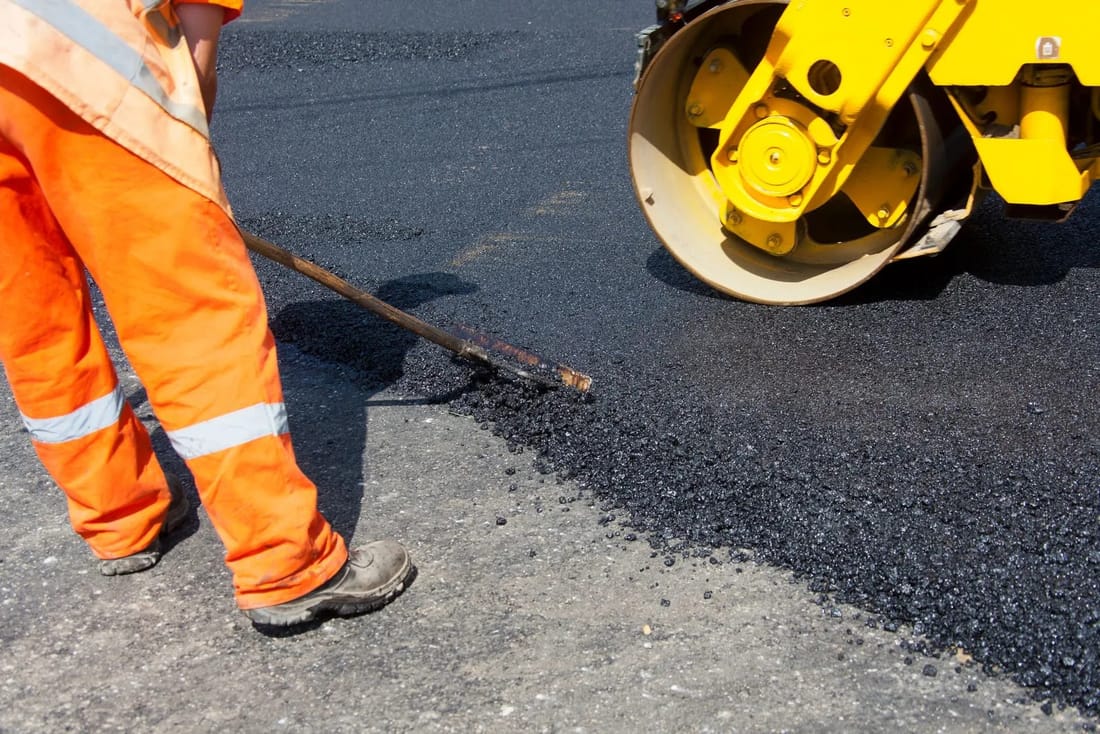
Once the existing surface is sound, we install a tack coat, a thin bonding layer that helps the new asphalt grip the old pavement. For most Chandler commercial projects, the overlay itself is 1.5 to 2 inches of hot‑mix asphalt placed and compacted with commercial rollers. On heavier‑traffic drive lanes or entries, we may use a slightly thicker lift or a more robust mix. After proper compaction, we allow cooling time, then handle striping, signage, and wheel stops so the lot is ready for traffic and compliant with local codes.
Material Options, Thickness Choices, and Design Details
Not every commercial asphalt resurfacing job uses the same mix or thickness. Precision Asphalt Chandler recommends specifications based on your site conditions and use. Light‑duty parking areas that see mostly passenger vehicles can often be resurfaced with a standard commercial mix. Drive lanes, entrances off busy roads like Chandler Blvd or Alma School, and truck delivery paths may need a higher asphalt content or crushed aggregate blend for added strength.
Overlay thickness is another key design choice. A 1.5 inch overlay may be enough for a relatively smooth, stable lot that simply has surface wear. Lots with more cracking, rutting, or minor settlement usually benefit from 2 inches or more, especially in high‑traffic lanes. We also evaluate curb heights and existing ADA ramps. Too much thickness in the wrong place can cause compliance issues or make drainage worse, so we often combine selective milling with variable overlay thickness to keep everything draining toward catch basins or scuppers.
In some Chandler projects, we recommend reinforcing fabrics or grid between the old pavement and the new layer. These help delay reflective cracking where the old cracks try to work their way up through the overlay. This is especially useful on older HOA roads or long drive aisles that already have a crack pattern but still have good base support.
We also plan the layout details during resurfacing, not as an afterthought. That might mean adjusting stall widths to current standards, improving fire lane markings, or redesigning accessible parking areas to meet current ADA slope and layout requirements. Chandler’s sun is harsh on striping, so we choose striping paints and beads that hold color and reflectivity longer, and we advise customers on realistic restriping intervals after the overlay is installed.
What Affects Cost and Scheduling in Chandler, AZ
Several specific factors drive the cost of commercial asphalt resurfacing in Chandler. The first is how much prep and base repair is needed. Cutting out and rebuilding failed areas costs more upfront, but saves money by preventing premature failure of the new overlay. The overall square footage and the chosen overlay thickness are the next big drivers, because they control how much material and paving time the project will require.
Access and phasing are also important. A small retail center on Arizona Ave that needs to stay open will usually resurface in phases. That means more traffic control setup, more mobilizations, and careful planning so customers and deliveries can still get in and out. A closed industrial yard, on the other hand, can sometimes be resurfaced in one or two large phases, which can lower the cost per square foot.
Timing affects both pricing and quality. In Chandler, the best windows for commercial overlays are typically late fall through early spring, when daytime highs are below 95 degrees. Paving in extreme summer heat is possible, but it requires tighter timing on trucking and compaction, and sometimes night or early morning work to protect the asphalt and keep your site usable. Monsoon season can also impact scheduling. We always watch the forecast because overlaying on a surface that is damp or about to see a storm will hurt bond and lifespan.
Permitting and inspections are usually limited for simple overlays on private property, but if drainage changes, access points, or fire lanes are being reconfigured, the City of Chandler or the fire department may need to review the plans. Precision Asphalt Chandler helps coordinate this so you do not end up with surprises halfway through the job.
Common Problems, Lifespan, and How to Get the Most Out of an Overlay
A good commercial asphalt overlay in Chandler should last 8 to 15 years depending on traffic, mix design, and maintenance. The fastest way to shorten that lifespan is to ignore drainage and base issues before resurfacing. Water that pools on the lot or runs under the edge of the pavement will break down both the old layer and the new overlay. That is why we identify and correct low spots, collapsed edges, and clogged drains as part of our resurfacing scope whenever possible.
Another common issue is reflective cracking. Even with repairs, some existing cracks will eventually telegraph through the new surface, especially on older pavements. We manage this by saw‑cutting and patching the worst cracked areas, using crack sealing where appropriate, and incorporating fabrics or grids in select locations. While no overlay can permanently erase every crack, these methods significantly slow their return and help keep the surface tight and smooth longer.
Once the overlay is in place, basic care goes a long way. Keeping drains and scuppers clear, fixing small oil and fuel spills promptly, and scheduling periodic crack sealing are inexpensive ways to protect your investment. Many Chandler property owners choose to sealcoat 12 to 18 months after the overlay, once the asphalt has cured. This timing lets the new asphalt finish its initial oxidation while still getting protected fairly early from sun and surface wear.
Before you hire anyone for commercial asphalt resurfacing, ask about their specific plan for milling, drainage, and base repairs, not just the overlay thickness. Request a phasing and traffic management plan that fits your business hours, and confirm the mix design they intend to use for different areas of your property. Precision Asphalt Chandler provides this information in writing so you know exactly what is going under your customers’ tires and how it is designed to handle Chandler’s heat and storm cycles.